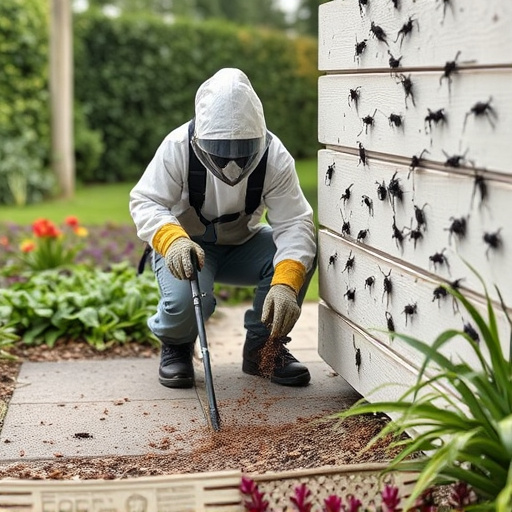
Tucson's unique climate necessitates tailored pest control methods focusing on natural solutions to protect both homes and the environment. Key DIY strategies include essential oil repellents, strategic planting of herbs and native Arizona flora, and using diatomaceous earth and neem oil. Integrated Pest Management (IPM) combines cultural, biological, physical, and chemical controls for sustainable results. Professional pest control services Tucson naturally offer expertise for severe infestations or health hazards, ensuring safe, eco-friendly solutions.
In the warm, arid climate of Tucson, pest control is a year-round concern for homeowners and gardeners. The region's unique ecosystem attracts a diverse range of insects and rodents, making professional pest control services Tucson residents' go-to solution. However, many seek more natural alternatives to chemical-heavy treatments. This article delves into the world of DIY pest control solutions, offering practical, effective methods tailored to the specific challenges faced by Tucson homes and gardens. By embracing these natural strategies, you can achieve a balanced ecosystem while keeping pests at bay.
- Understanding Common Pests in Tucson Gardens
- Natural Repellents for Effective Pest Control
- DIY Traps and Barriers: Step-by-Step Guide
- Planting for Pest Resistance: Tucson's Best Choices
- Integrated Pest Management: A Holistic Approach
- When to Call Professional Pest Control Services Tucson
Understanding Common Pests in Tucson Gardens
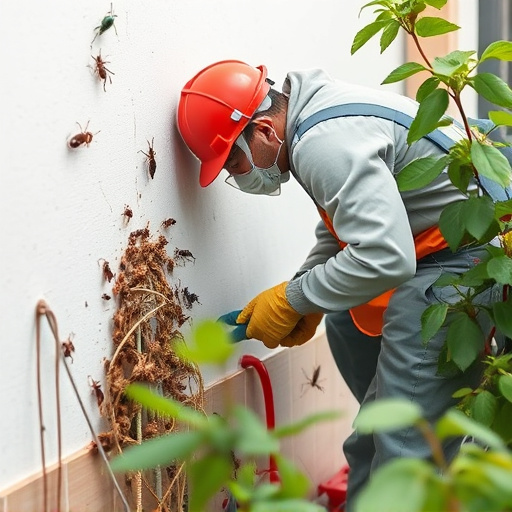
Tucson's unique climate and diverse vegetation make it a haven for various pests, requiring tailored DIY pest control approaches. Understanding the common garden intruders is the first step towards effective management. Termites, for instance, are a significant concern in the region due to the warm, dry conditions that favor their proliferation. According to local pest control services Tucson reports, these wood-munching insects can cause substantial damage if left unchecked, with some homes experiencing structural issues from undetected termite infestations.
Other prevalent pests include ants, arachnids like spiders and scorpions, and a variety of beetles. Ants, driven by their complex colony systems, can quickly invade outdoor spaces and even indoor kitchens, while spiders and scorpions thrive in the region's dry environment, making them both common household guests and potential health hazards. Beetles, particularly borers, are attracted to weakened or stressed trees, posing a risk to Tucson's scenic landscape.
While chemical pest control services Tucson offers effective solutions, embracing natural methods can be beneficial for both homeowners and the environment. Implementing preventive measures such as regular tree maintenance, sealing entry points, and using repellents like citronella can deter pests naturally. Additionally, introducing beneficial insects, like ladybugs and lacewings, known for their predatory behavior towards common garden pests, offers a sustainable pest control approach.
Natural Repellents for Effective Pest Control

The use of natural repellents offers a safe and effective approach to pest control for Tucson homes and gardens. Unlike synthetic alternatives, these organic methods prioritize environmental safety and are particularly appealing for homeowners seeking eco-friendly solutions. Essential oils like citronella, peppermint, and lavender possess potent insect-repelling properties. A study by the Journal of Agricultural and Food Chemistry revealed that a single drop of citronella oil can repel mosquitoes for up to 90 minutes. Incorporating these essential oils into homemade sprays or diffusers creates a natural barrier against common pests like mosquitos, flies, and ants.
Planting specific herbs and flowers known for their insect-repelling properties is another powerful strategy. Basil, mint, rosemary, and marigolds are well-documented for their ability to deter various pests. For instance, a study published in the Journal of Insect Science found that marigolds effectively repelled aphids, whiteflies, and nematodes when grown in vegetable gardens. By strategically placing these plants around your property, you can create an organic defense system that keeps pests at bay. In addition to plant-based solutions, certain natural substances like diatomaceous earth and neem oil serve as safe yet potent insecticides, breaking down the exoskeletons of insects or interfering with their reproductive cycles, respectively.
While DIY pest control solutions offer numerous benefits, it's essential to understand their limitations. Natural repellents may require more frequent application compared to conventional treatments, especially during high-activity periods for specific pests. For instance, mosquitos are most active during dawn and dusk, so consistent spraying or diffuser use during these times is crucial. Moreover, while natural methods are generally safer for pets and humans, thorough testing and research are essential before implementing any solution. Engaging with local pest control services Tucson naturally can provide valuable guidance tailored to your specific situation, ensuring the effectiveness and safety of your chosen approach.
DIY Traps and Barriers: Step-by-Step Guide
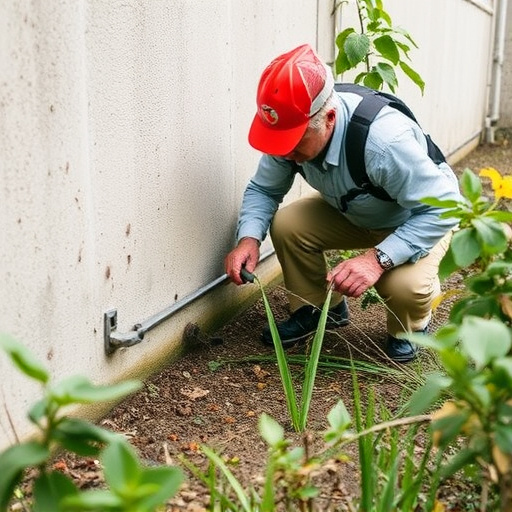
DIY pest control solutions have gained popularity among Tucson residents seeking natural alternatives to traditional pest control services Tucson. One of the most effective methods involves creating traps and barriers, which not only protect your home and garden but also promote a safer, eco-friendly environment. This step-by-step guide will walk you through the process of making your own traps and setting up barriers to keep pests at bay.
First, identify the specific pest you're dealing with—whether it's ants, spiders, or rodents—as different species require tailored approaches. For instance, ant trails can be interrupted using a mixture of boric acid and sugar baits, which they will carry back to their nests, effectively eliminating the colony. When targeting spiders, placing sticky traps near entry points can help capture them without causing harm. For rodents, setting up live traps with bait, such as peanut butter or chocolate, is a humane option that allows you to release them away from your property.
Next, prepare the necessary materials. Common ingredients include essential oils (peppermint or neem oil), soap, water, and various household items like old t-shirts, cardboard, or plastic containers. For example, mixing equal parts water and dish soap with a few drops of peppermint oil creates an effective insect repellent that can be sprayed around windows and doors. Cardboard cutouts covered in peanut butter can serve as rodent traps, taking advantage of their natural curiosity.
Once your materials are ready, set up the traps strategically. Place them in areas where pests are most active or likely to enter. For instance, setting up pheromone-based traps for moths near closets and food storage areas can prevent infestations. Additionally, creating barriers using essential oil-soaked cotton balls or old t-shirts around your home's perimeter can deter insects from entering. Regular maintenance involves checking and replacing the traps as needed, ensuring their effectiveness throughout the seasons.
Planting for Pest Resistance: Tucson's Best Choices
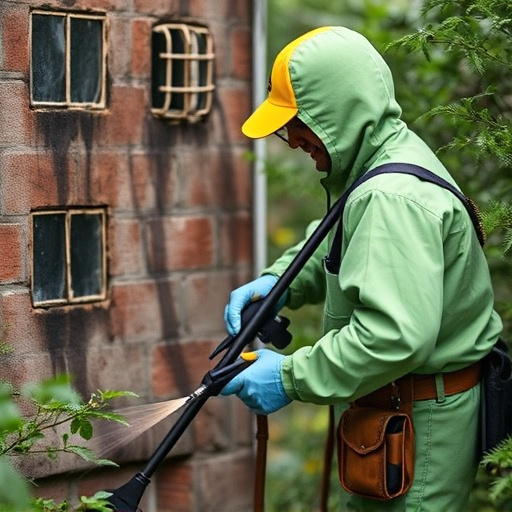
Tucson's diverse climate presents unique challenges when it comes to pest control, but with a strategic approach centered around planting for pest resistance, homeowners can achieve significant results naturally. This method not only reduces reliance on chemical pesticides but also promotes a healthier, more sustainable environment. Many plants possess innate qualities that deter pests, making them excellent choices for gardens across the city. For instance, lavender, known for its aromatic properties, is highly effective in repelling mosquitoes and butterflies, while marigolds release a compound that inhibits nematodes from attacking plant roots.
Incorporating native Arizona flora into your landscape offers an additional advantage. Plants like the Prickly Pear Cactus (Opuntia) and Yucca are well-adapted to Tucson's conditions and possess natural defenses against local pests. These species often have spines or waxy leaves that make them unappealing to insects and animals, providing a low-maintenance, naturally occurring barrier against intruders. According to a study by the University of Arizona, native plants can reduce pest pressure by up to 30%, making them an invaluable asset in any Tucson garden.
When designing your pest-resistant garden, consider biodiversity. A mix of plant types and heights creates a complex environment that discourages pests from settling. Incorporate annuals, perennials, shrubs, and trees to attract beneficial insects like ladybugs and lacewings while deterring common invaders. Additionally, strategic planting near windows and entry points can serve as a natural pest control service Tucson residents rely on, reducing the need for chemical interventions and fostering a more harmonious relationship with nature.
Integrated Pest Management: A Holistic Approach
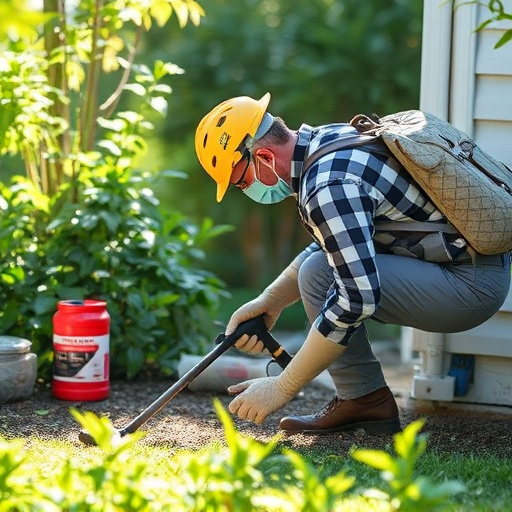
Integrated Pest Management (IPM) offers a holistic approach to pest control, prioritizing natural solutions and minimizing reliance on synthetic chemicals. This method recognizes the intricate balance between pests, their environment, and beneficial organisms. By understanding this dynamic, homeowners in Tucson can effectively manage pests while preserving the ecological harmony that supports a thriving garden. IPM involves a combination of strategies, including cultural, biological, physical, and chemical controls, tailored to specific pest issues.
Cultural practices form the foundation of IPM by creating an environment that discourages pests through proper planting, sanitation, and water management. For instance, planting resistance varieties of plants and maintaining good garden hygiene can significantly reduce pest populations. Biological control involves introducing natural predators or parasites to target specific pests. In Tucson, encouraging beneficial insects like ladybugs and lacewings can help manage aphids and other soft-bodied insects naturally. Physical controls, such as handpicking, trapping, and mechanical removal, are effective for many common garden pests.
While synthetic pest control services Tucson may offer quick solutions, IPM encourages the use of environmentally friendly methods that prevent long-term harm. By adopting these practices, homeowners can create a balanced ecosystem that promotes biological diversity and reduces the need for chemical interventions. Data from local studies shows that IPM strategies can lead to up to 50% fewer pest incidents compared to traditional control methods over time. This not only benefits the environment but also ensures safer, more sustainable homes and gardens for residents in Tucson.
When to Call Professional Pest Control Services Tucson
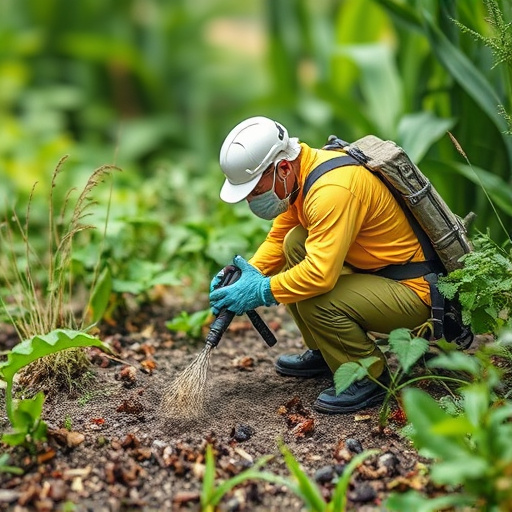
While many Tucson homeowners opt for DIY pest control solutions to save costs or align with eco-friendly preferences, there are instances where professional pest control services Tucson become indispensable. Identifying these scenarios is crucial to ensure your home and garden remain safe from invasive pests while avoiding potential health risks and property damage.
One of the primary indicators is when you encounter severe or persistent infestations that overstretch your DIY capabilities. Pests like termites, rodents, or certain insects require specialized equipment and expertise for effective elimination. For example, a substantial termite colony might demand treatment methods beyond what a homeowner can achieve, including sophisticated chemical applications and targeted baiting strategies best handled by professionals. Similarly, stubborn bed bug infestations often necessitate professional intervention due to their intricate hiding places and the risk of exposure to potent pesticides if not properly managed.
Another critical factor is the potential for health hazards. Certain pests carry diseases or trigger allergic reactions, making professional assessment and treatment vital. Mosquitoes, for instance, are vectors for diseases like Zika and West Nile virus. Professional pest control services Tucson employ safety protocols and utilize environmentally friendly products to mitigate these risks effectively. Moreover, if you suspect a pesticide application in your home has caused adverse health effects, contacting professionals with expertise in toxicology can provide necessary guidance and support.
Lastly, structural damage caused by pests demands professional attention. Termites, for example, can cause significant structural instability over time. A thorough inspection by pest control experts Tucson will help determine the extent of the damage and recommend repairs alongside preventive measures. Regular inspections are a proactive approach, enabling early detection of potential issues before they escalate, saving you from costly renovations.
By harnessing the power of natural remedies, DIY traps, plant choices, and integrated pest management strategies outlined in this article, Tucson residents now possess an extensive toolkit to tackle common garden pests effectively and responsibly. Understanding the unique ecosystem of local pests and adopting a holistic approach allows for sustainable control without relying solely on chemical pesticides. The step-by-step guides and practical tips empower homeowners to take charge of their outdoor spaces, fostering healthier environments while enjoying the beauty of their Tucson gardens. Moreover, recognizing when professional pest control services in Tucson naturally may be required ensures an optimal balance between DIY efforts and specialized expertise, ultimately contributing to a thriving and pest-free community.
About the Author
Meet Sarah Green, a renowned Pest Management Specialist with over 15 years of experience in DIY solutions for Tucson's unique ecosystem. Certified by the Arizona Pest Control Association, she is a trusted authority on non-toxic, sustainable pest control methods. Her expertise lies in seamlessly integrating natural remedies into home and garden care routines. As a regular contributor to Gardeners' World Magazine and active member of the National Pest Management Association, Sarah ensures her strategies are both effective and environmentally friendly.
Related Resources
1. University of Arizona Cooperative Extension (External Guide): [Offers locally-specific gardening and pest control advice for Tucson residents.] - https://cals.arizona.edu/tucson
2. Arizona Department of Agriculture (Government Portal): [Provides state-level information on pest management and agricultural practices in Arizona.] - https://azag.gov/pest-management
3. National Pest Management Association (Industry Leader): [A resource for understanding integrated pest management best practices from a national industry association.] - https://www.npma.org/
4. Stanford University - Integrated Pest Management (Academic Study): [Offers scientific insights into sustainable and eco-friendly pest control methods.] - https://ipm.stanford.edu/
5. The Gardeners' Network (Community Forum): [A local online community for gardeners in Tucson to share tips, including DIY pest control solutions.] - https://tucson.gardeners.net/
6. EPA - Pesticide Safety Program (Government Resource): [Provides federal guidance on safe and responsible pesticide use.] - https://www.epa.gov/pest-management
7. Arizona State University - Urban Agriculture (Research Hub): [Offers educational resources focused on sustainable urban agriculture practices in the Southwest region.] - https://urbanag.asu.edu/