Tucson's unique ecology presents specific pest control challenges due to its arid climate and diverse vegetation, with common pests including cockroaches, scorpions, ants, whiteflies, and mealybugs. Integrated Pest Management (IPM) offers a sustainable solution through prevention and environmentally friendly methods like regular inspections, biodegradable products, mechanical controls, and organic pesticides. Collaboration between residents, pest control services Tucson professionals, and local authorities is crucial for successful IPM implementation. Natural solutions such as beneficial insects, plant-based repellents, and habitat manipulation can reduce synthetic pesticide reliance by up to 75%, minimizing environmental pollution and fostering a healthier urban environment. Residents should choose pest control services that prioritize these natural methods for sustainable and effective pest management.
Tucson's unique environmental landscape presents specific challenges when it comes to pest control, demanding tailored strategies for effective integrated pest management (IPM). As Arizona's vibrant hub, the city's diverse ecosystems support a variety of pests, from desert-adapted species to those attracted by urban habitats. Traditional pest control methods often prove inadequate or detrimental to Tucson's delicate balance. Thus, IPM emerges as a crucial solution, offering environmentally conscious and sustainable practices for pest management. This article delves into the intricacies of IPM strategies specifically designed for Tucson environments, highlighting innovative techniques and the expertise of local pest control services Tucson residents can rely on for long-term solutions.
- Understanding Tucson's Unique Pest Challenges: An Integrated Approach
- Implementing Natural Solutions: Effective Pest Control Services Tucson Residents Trust
Understanding Tucson's Unique Pest Challenges: An Integrated Approach
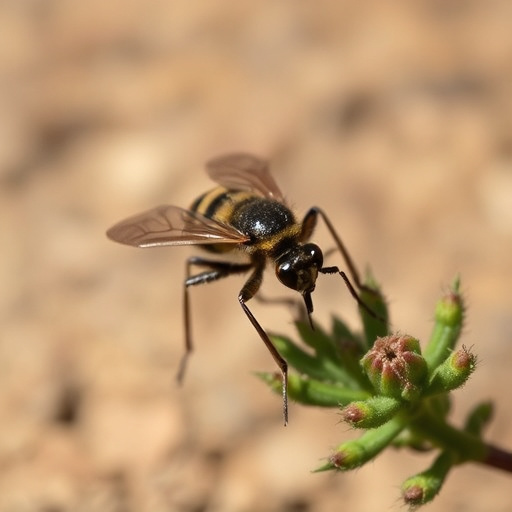
Tucson's distinct ecological niche presents unique pest control challenges. The city's arid climate, coupled with abundant sun exposure, creates a thriving environment for various pests like cockroaches, scorpions, and ants—all year round. Additionally, the region's diverse vegetation attracts a myriad of insect pests, such as whiteflies and mealybugs, which can infest both residential and agricultural settings. These challenges necessitate an integrated pest management (IPM) approach that goes beyond traditional methods, focusing on environmentally conscious solutions tailored to Tucson's specific ecosystem.
IPM in Tucson emphasizes prevention and minimal environmental impact. This strategy involves regular inspections to identify pests early, followed by targeted treatments using biodegradable products and mechanical controls like traps and barriers. For instance, property owners can employ physical barriers like mesh screens to prevent scorpions and cockroaches from entering homes. Organic pesticides derived from natural ingredients, such as neem oil or insecticidal soap, are highly effective against a range of insects while minimizing harm to non-target organisms.
Implementing an IPM system requires collaboration between residents, pest control services Tucson professionals, and local authorities. Regular communication about pest trends and best practices fosters a collective effort to manage pests effectively. Data collected from community surveys and pest monitoring programs can guide targeted interventions, ensuring that resources are allocated efficiently. By adopting these integrated strategies, Tucson can achieve sustainable pest management while preserving its unique ecological balance.
Implementing Natural Solutions: Effective Pest Control Services Tucson Residents Trust
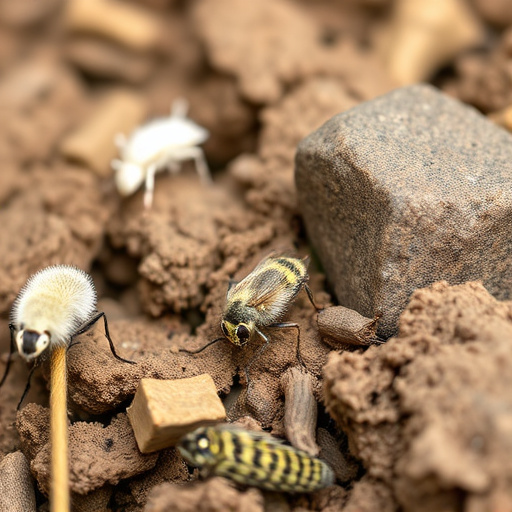
Tucson's unique ecological landscape presents both challenges and opportunities when it comes to pest management. Integrating natural solutions into pest control services Tucson residents trust is not just an eco-friendly approach but a strategic necessity. By harnessing the power of beneficial insects, plant-based repellents, and habitat manipulation, professional pest controllers can create a balanced ecosystem while effectively managing pests.
For instance, introducing or encouraging native predators like ladybugs and lacewings can significantly reduce populations of aphids and other soft-bodied pests. Tucson's diverse plant life offers numerous natural repellents; neem oil, derived from the neem tree, is known to deter a wide range of insects, including mosquitoes and termites. Additionally, proper landscape design and maintenance can disrupt pest breeding cycles. Removing standing water sources and maintaining vegetation diversity makes it harder for pests to thrive and multiply.
Data from local studies shows that integrated pest management (IPM) strategies can reduce the reliance on synthetic pesticides by up to 75%. This not only minimizes environmental pollution but also fosters a healthier, more resilient urban environment. Tucson residents should look for pest control services that prioritize these natural methods, ensuring effective and sustainable solutions for their homes and communities. Engaging with professionals who understand Tucson's ecosystem ensures that pest management becomes an integral part of the city's overall ecological well-being.
Tucson's diverse ecosystem presents unique pest challenges, highlighting the need for integrated management strategies. By understanding these complexities, residents can effectively implement natural solutions through trusted pest control services Tucson naturally offers. The article has provided valuable insights into tailored approaches that combine ecological balance and practical control methods. Moving forward, adopting a proactive mindset is key. This involves regular monitoring, eco-friendly practices, and partnerships with experts in pest control services Tucson relies on for sustainable solutions. By embracing these strategies, the community can achieve long-term protection from pests while preserving their unique environmental heritage.
In 2026, Tucson's pest control industry has embraced cutting-edge technology and eco-friendly practices to enhance service delivery. Drones equipped with advanced sensors are now utilized for thorough and efficient inspections, detecting even the smallest pest infestations. Additionally, smart homes integrated with automated pest control systems allow for real-time monitoring and targeted treatments, significantly reducing the use of chemicals. Biological control agents, such as beneficial insects and pathogens, are being increasingly employed to combat pests naturally. Genetic engineering has also led to the development of pest-resistant plant varieties, further minimizing the need for chemical interventions. These innovations, combined with the established IPM principles, ensure Tucson residents enjoy effective, sustainable, and environmentally friendly pest control solutions. Read more about Tucson's pest control advancements in 2026