Adopting pest control services Tucson naturally involves a responsible, eco-conscious approach prioritizing prevention, early detection, and non-toxic methods to maintain local ecosystem health. Key strategies include beneficial insect introduction, organic pesticides (e.g., neem oil), physical barriers, cultural practices like crop rotation, and proper garden hygiene. These integrated pest management techniques can reduce pesticide use by up to 50%, fostering a balanced garden ecosystem while promoting environmental well-being in Tucson's diverse climate.
Tucson’s vibrant gardens face a growing challenge: balancing beauty with the need for effective, sustainable pest control. Traditional methods often leave harmful residues, damaging ecosystems and threatening beneficial insects. As environmental awareness expands, so does the demand for eco-conscious pest control services Tucson residents can trust. This article delves into practical, natural solutions tailored to Tucson’s unique ecosystem, empowering gardeners to protect their spaces responsibly while preserving local biodiversity. We explore integrated pest management strategies, biological controls, and organic treatments, providing a comprehensive guide for effective, sustainable pest control in our region.
- Understanding Eco-Conscious Pest Management in Tucson Gardens
- Natural Solutions for Effective Tucson Pest Control Services
- Implementing Sustainable Practices for Healthy Tucson Yards
Understanding Eco-Conscious Pest Management in Tucson Gardens

In Tucson’s vibrant garden landscape, adopting sustainable and eco-conscious pest control practices is not just an option—it’s a responsible choice. This approach prioritizes the health of our local ecosystem while ensuring the safety of our gardens and communities. Understanding eco-conscious pest management involves recognizing the intricate balance between plants, beneficial insects, and natural predators, and utilizing methods that disrupt this balance as little as possible.
Tucson’s diverse climate and abundant outdoor spaces create a unique environment for both garden enthusiasts and pests. Traditional chemical pesticides, while effective, can harm beneficial insects, pollute water sources, and persist in the environment. Eco-conscious alternatives, on the other hand, focus on prevention, early detection, and non-toxic methods. For instance, companion planting—strategically choosing plants that deter specific pests—is a naturally occurring solution that not only reduces pest damage but also enhances garden biodiversity. Additionally, introducing beneficial insects like ladybugs and lacewings can effectively control aphids and other soft-bodied pests without resorting to chemicals.
Pest control services Tucson naturally should be tailored to the specific needs of each garden ecosystem. Seasonal changes necessitate different strategies: in spring, focusing on establishing strong plant health through organic fertilizers; during summer, monitoring for common garden pests like spider mites and using natural predators like spiders and lacewings; fall brings the challenge of preparing gardens for winter, including proper pest exclusion techniques to prevent overwintering pests. By adopting these eco-conscious practices, Tucson gardeners contribute to a healthier, more sustainable environment while maintaining thriving and vibrant outdoor spaces.
Natural Solutions for Effective Tucson Pest Control Services
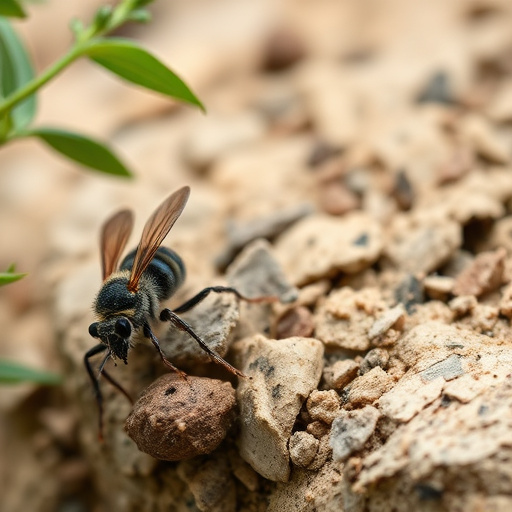
In the pursuit of sustainable gardening practices, Tucson residents now have access to an array of natural solutions for effective pest control services. These eco-conscious alternatives not only protect local ecosystems but also promote a healthier garden environment. One of the most prominent natural pest controls is beneficial insects, such as ladybugs and lacewings, which feed on garden pests like aphids and mealybugs. Introducing these insects into your garden can significantly reduce pest populations while avoiding harmful chemicals.
Another powerful tool in Tucson’s eco-conscious arsenal is organic pesticides derived from natural ingredients like neem oil and diatomaceous earth. These substances are non-toxic to humans and pets but prove deadly to a variety of pests. For instance, neem oil disrupts the life cycle of insects by inhibiting their growth and reproduction, making it an effective and safe solution for treating many common garden pests. Moreover, using these organic methods can contribute to preserving local biodiversity, as they minimize the negative impact on non-target species and beneficial insects.
In addition to introducing beneficial insects and utilizing organic pesticides, Tucson gardeners can employ several other natural strategies. Physical barriers like mesh covers and traps can prevent pests from reaching plants. Cultural practices such as crop rotation and proper watering techniques also play a crucial role in pest prevention. By combining these approaches, homeowners can significantly reduce their reliance on synthetic chemicals, fostering a more balanced and sustainable garden ecosystem. Data suggests that integrated pest management (IPM) strategies, including natural solutions, can lead to up to 50% less pesticide use while maintaining equivalent or improved pest control outcomes.
Implementing Sustainable Practices for Healthy Tucson Yards
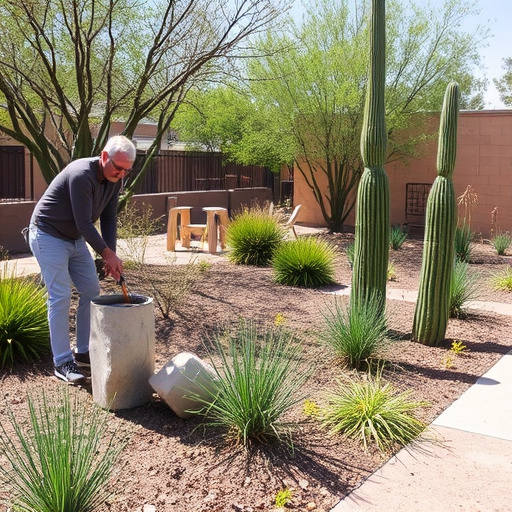
Adopting sustainable practices for pest control services Tucson naturally is a holistic approach to fostering healthy yards and promoting environmental well-being. This method prioritizes non-toxic, eco-friendly solutions, ensuring both the safety of local ecosystems and the effectiveness of pest management. By understanding the ecological balance within Tucson’s unique landscape, gardeners can implement strategies that minimize the use of synthetic chemicals while effectively mitigating pest populations.
One key aspect is embracing biological control methods. These involve introducing natural predators or parasites to target specific pests. For instance, ladybugs are renowned for feasting on aphids, making them an excellent organic ally in the garden. Similarly, beneficial insects like lacewings and spiders can significantly reduce populations of various pests, including caterpillars and spider mites. Encouraging these helpful creatures through habitat creation—such as planting native flowers that provide nectar and shelter—can lead to a natural balance where pests are kept in check without harmful chemicals.
Furthermore, sustainable pest control encompasses proper garden maintenance. Regularly trimming vegetation, removing debris, and cultivating healthy soil can deter pests naturally. Well-maintained gardens with diverse plant species are less attractive to harmful insects and diseases. Organically enriched soil also promotes robust plants, making them better equipped to withstand common Tucson pests like scale insects and whiteflies. Additionally, using organic pesticides, when necessary, should be done sparingly and according to instructions, ensuring minimal impact on non-target species and the environment.
By embracing sustainable and eco-conscious pest control services Tucson naturally, residents can achieve healthy yards while minimizing environmental impact. The key insights from this article underscore the importance of understanding local ecosystems, utilizing natural solutions like beneficial insects and organic compounds, and implementing practices that promote long-term resilience. By adopting these strategies, Tucson gardeners can effectively manage pests without resorting to harmful chemicals, contributing to a cleaner, greener city. Moving forward, consider integrating these sustainable practices into your garden routine for a more harmonious and ecologically responsible approach to pest control services Tucson residents rely on.