Tucson's unique environmental conditions demand tailored natural pest control solutions. The city's arid climate fosters a specific pest ecosystem, requiring an understanding of plant-pest interactions. Local wildlife like birds and bats naturally regulate pests. Key strategies include managing aphids, scales, and whiteflies with native predators and parasites, essential oils, and organic repellents. Integrated Pest Management (IPM) practices, promoted by local agricultural extensions, combine natural methods, cultural controls, and safe pesticides. Companion planting, diversifying gardens, and early detection enhance ecological balance. Tucson residents embrace sustainable pest control services, aligning with global environmental trends, through educational programs, community sharing, and eco-friendly products.
Maintaining healthy gardens and landscapes in Tucson requires a delicate balance. Traditional pest control methods often introduce harmful chemicals into our environment. As conscious residents, we seek sustainable alternatives that protect both our spaces and the local ecosystem. This article delves into natural pest control strategies specifically tailored for Tucson’s unique climate and landscape, offering practical insights to transform your outdoor space. Discover how you can effectively manage pests without resorting to toxic treatments, ensuring a harmonious environment for both your garden and the community through expert guidance on pest control services Tucson naturally embraces.
- Understanding Tucson's Unique Pest Ecosystem
- Exploring Natural Repellents for Common Pests
- Integrating Plants for Organic Pest Control
- Community Resources for Pest Control Services Tucson Naturally
Understanding Tucson's Unique Pest Ecosystem
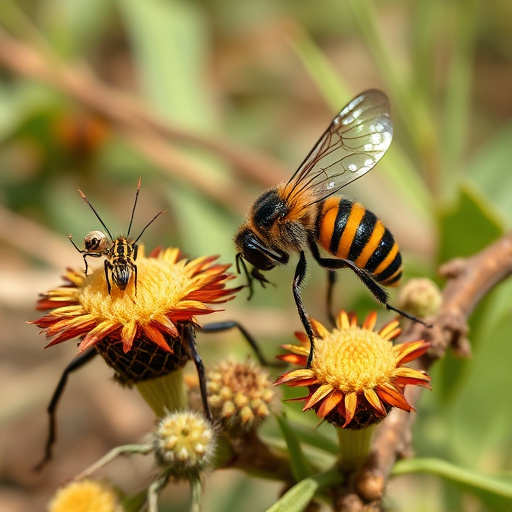
Tucson’s unique environmental conditions present a specific pest ecosystem that demands tailored natural solutions for garden and landscape care. The region’s arid climate, coupled with diverse flora, creates a complex web of interactions between plants, pests, and beneficial insects. Understanding this intricate balance is key to effective natural pest control. Local wildlife, including birds, bats, and certain insect species, play a vital role in regulating pest populations naturally.
One of the primary considerations for Tucson residents is the management of common garden pests like aphids, scales, and whiteflies without resorting to chemical treatments. Natural pest control services Tucson offers involve employing native predators and parasites that target these harmful insects specifically. For instance, ladybugs and lacewings are natural enemies of aphids; introducing these beneficial insects into gardens can significantly reduce aphid populations. Similarly, encouraging bat activity near structures provides ecological control of moths and other night-flying pests.
Data from local agricultural extensions reveal a trend towards increased interest in integrated pest management (IPM) practices among Tucson homeowners. IPM strategies focus on preventing and minimizing pest damage through a combination of natural methods, cultural practices, and targeted applications of safe pesticides. By understanding the local pest ecosystem and adopting these comprehensive approaches, Tucson gardeners can achieve healthy, vibrant landscapes while contributing to the overall ecological balance of their community.
Exploring Natural Repellents for Common Pests
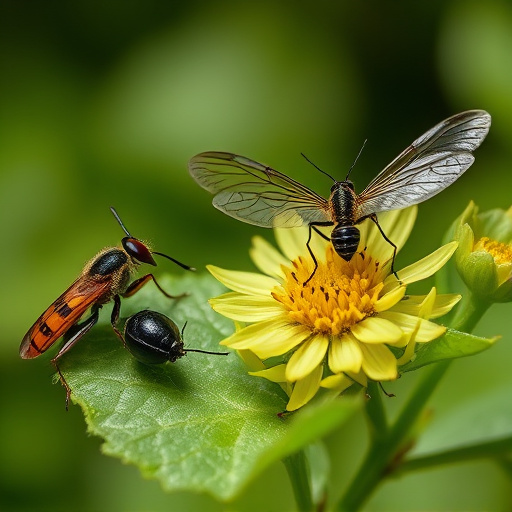
In the pursuit of sustainable gardening practices, Tucson residents increasingly seek natural pest control methods for their landscapes. Beyond conventional chemical solutions, exploring effective yet eco-friendly repellents offers a promising alternative. Organic pest control services in Tucson have gained prominence as homeowners and local landscaping experts recognize the long-term benefits of harmonious, balanced ecosystems.
One of the most common challenges faced by Tucson gardeners is dealing with insects like aphids, mealybugs, and scale. Natural repellents such as neem oil, a derivative of the neem tree, prove highly effective against these pests. Studies show that neem oil disrupts the growth and reproduction cycles of many insect pests, making it a safe and powerful tool for organic pest control services Tucson residents rely on. Similarly, essential oils like citronella, peppermint, and lavender possess strong aromatic properties that deter various insects naturally. These natural substances can be integrated into garden practices through sprays or plant-specific treatments, providing a sustainable solution to common pest problems.
Beyond insect control, encouraging beneficial insects plays a pivotal role in maintaining ecological balance. Introducing ladybugs, lacewings, and parasitic wasps into the landscape helps regulate pest populations organically. For instance, ladybugs feed on aphids, offering a biological control method that minimizes the need for chemical interventions. By fostering an environment conducive to these friendly insects, Tucson gardeners can achieve effective, long-lasting pest management while contributing to a healthier local ecosystem. This holistic approach underscores the value of natural repellents in the world of organic pest control services Tucson and its surrounding areas have come to appreciate.
Integrating Plants for Organic Pest Control

Incorporating plants for organic pest control is a multifaceted strategy in the arsenal of Tucson gardeners and landscaping professionals, offering both environmental and economic benefits. This approach leverages the natural defenses of certain flora to deter and eliminate pests, minimizing the need for synthetic chemicals. For instance, companion planting, where specific vegetables are grown together, can naturally repel pests that target one or both plants, reducing the burden on pest control services Tucson naturally. Research indicates that marigolds, basil, and mint can effectively ward off aphids, while lavender and lemongrass deter mosquitoes and other flying insects.
The integration of these plant-based solutions requires thoughtful planning and selection based on the specific garden ecosystem. Diversifying planting zones with a mix of annuals, perennials, and native species creates an environment that supports beneficial insects like ladybugs and lacewings, which feed on pests. This ecological balance is crucial in maintaining a healthy garden and reducing the incidence of pest infestations. Gardeners can also introduce or encourage natural predators such as birds, toads, and certain types of worms, further strengthening the garden’s inherent resistance to pests.
Practical implementation begins with understanding the unique challenges and microclimates within the garden. Consult with local experts or utilize online resources to determine which plants offer the most suitable pest control for specific issues. Regular monitoring is vital; early detection of pest activity allows for timely intervention using organic methods. By embracing these strategies, Tucson residents can cultivate lush, vibrant landscapes while preserving the region’s unique biodiversity, ensuring a healthier and more sustainable approach to pest control services.
Community Resources for Pest Control Services Tucson Naturally
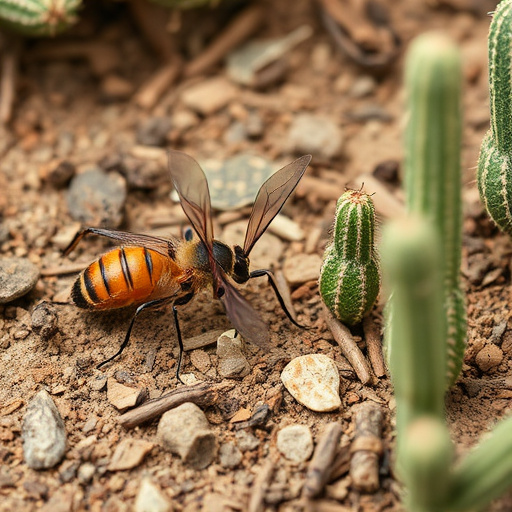
Tucson residents increasingly seek sustainable solutions for their garden pest control needs, aligning with a global trend towards environmentally conscious practices. Thankfully, the community offers a wealth of resources for those looking to embrace natural pest control methods in their landscaping. Beyond do-it-yourself approaches, local organizations and experts provide invaluable guidance tailored to Tucson’s unique climate and ecosystem.
One prominent source is the University of Arizona Cooperative Extension Service, offering educational programs and workshops focused on integrated pest management (IPM) techniques specific to Arizona. These resources empower gardeners with knowledge about identifying beneficial insects, utilizing natural predators, and implementing cultural controls like proper planting and watering practices. For instance, their programs have successfully introduced homeowners to the concept of “companion planting,” where certain plants naturally repel pests when grown together.
Community gardens and landscaping cooperatives also play a vital role in promoting sustainable pest control services Tucson naturally. These collaborative spaces foster knowledge sharing among members, who contribute their expertise and experience with organic pest management strategies. By pooling resources and sharing successful tactics, these groups offer practical solutions that are both cost-effective and eco-friendly. Local nurseries and gardening supply stores also contribute by stocking a diverse range of natural pest control products, from neem oil to diatomaceous earth, ensuring residents have access to safe and effective alternatives to synthetic chemicals.
By understanding Tucson’s unique pest ecosystem and leveraging natural repellents and plant integrations, residents can effectively manage garden pests while preserving the health of their landscapes. The exploration of organic pest control methods highlights the city’s commitment to sustainable practices. Community resources for pest control services Tucson naturally offer accessible solutions, empowering locals to take charge of their outdoor spaces. Key insights include the effectiveness of companion planting, beneficial insects, and natural extracts as powerful tools in the fight against pests. Embracing these strategies not only promotes a healthier environment but also fosters a connection with nature, ensuring that Tucson’s gardens and landscapes thrive naturally.