Tucson's landscaping faces unique pest challenges, prompting the search for natural pest control services. Organic alternatives use beneficial insects, neem oil, physical barriers, and native plants to minimize chemical use by up to 80%. Regular monitoring is key for early detection. These practices promote ecological balance, enhance garden health, and ensure thriving, harmonious urban landscapes through pest control services Tucson naturally.
Tucson’s diverse landscape presents unique challenges when it comes to garden maintenance, particularly in the realm of pest control. The region’s warm climate attracts a variety of insects and pests that can damage plants and disrupt outdoor spaces. This is where effective yet natural pest control methods become indispensable for residents and landscaping professionals alike. In this article, we delve into sustainable alternatives to conventional pest control services Tucson relies on, offering practical strategies to protect gardens and enhance the overall health of Tucson’s vibrant outdoor environment.
- Discovering Natural Pest Control for Tucson Gardens
- Implementing Effective Strategies: Tucson's Guide to Eco-Friendly Landscaping
Discovering Natural Pest Control for Tucson Gardens
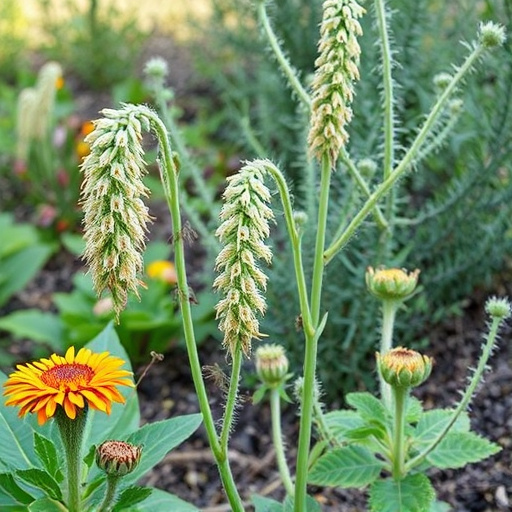
Tucson’s vibrant landscaping and gardens are a sight to behold, but they also face unique challenges from pests. Discovering effective yet natural pest control methods is crucial for maintaining these outdoor spaces. Unlike traditional pest control services Tucson that rely heavily on chemicals, natural alternatives offer an eco-friendly and safe approach. By understanding the local ecosystem and employing beneficial insects, organic compounds, and physical barriers, residents can safeguard their gardens without compromising environmental health.
For instance, introducing ladybugs and lacewings into your garden can be a powerful strategy. These insects are natural predators of aphids, mealybugs, and scale—common pests in Tucson’s climate. Additionally, neem oil, derived from the neem tree, is a popular organic pesticide known for its ability to repel a wide range of pests while causing minimal harm to beneficial creatures. Application techniques specific to each method ensure their effectiveness without over-treatment.
Beyond these strategic interventions, physical barriers like fine mesh netting and row covers provide an effective line of defense against insects and small animals. Proper plant selection is another critical aspect; choosing native or pest-resistant varieties reduces the need for chemical interventions. Regular monitoring and early detection play a significant role in successful natural pest control. By staying vigilant and adopting these holistic methods, Tucson residents can enjoy thriving gardens and landscapes that thrive in harmony with nature.
Implementing Effective Strategies: Tucson's Guide to Eco-Friendly Landscaping

Tucson’s unique ecosystem offers a rich ground for both vibrant gardens and diverse wildlife, often leading to encounters with unwanted pests. However, residents and landscapers now have access to an array of natural pest control methods that can effectively manage these issues while preserving the balance of local ecosystems. Unlike traditional chemical-heavy approaches, focusing on eco-friendly landscaping promotes a harmonious relationship between lush, healthy plants and their environment. This shift not only benefits local wildlife but also contributes to cleaner air, safer water, and healthier soil—essential components for thriving Tucson gardens.
Implementing effective strategies requires an understanding of the interconnections within ecosystems. For instance, introducing beneficial insects like ladybugs or lacewings can significantly reduce populations of aphids and other soft-bodied pests naturally. Additionally, strategic planting of herbs such as lavender, mint, and rosemary serves dual purposes: attracting pollinators and repelling common garden pests due to their strong scents. This holistic approach to pest control involves careful selection of plants native to Arizona, which are more resistant to local pests and diseases, thereby minimizing the need for intervention.
Beyond plant choices, Tucson landscapers can employ physical barriers like mesh netting or wooden screens to protect vulnerable areas from insects and small animals. Regular monitoring and early detection play a crucial role too; identifying pest problems at their source allows for targeted interventions using natural remedies such as neem oil or soap-based insecticidal sprays. Data suggests that these methods can reduce chemical usage by up to 80% while achieving similar or better control results. Adopting these eco-friendly practices not only aligns with Tucson’s commitment to sustainability but also contributes to the overall health and resilience of our urban landscape, ensuring that our gardens thrive in harmony with nature.
By embracing natural pest control methods for Tucson gardens and landscaping, residents can achieve a harmonious ecosystem while safeguarding their plants. This article has equipped readers with a comprehensive guide, highlighting the importance of biodiversity, beneficial insects, and organic solutions in lieu of harmful chemicals. Key takeaways include implementing companion planting strategies, utilizing essential oils and plant extracts as repellents, and fostering an environment that encourages natural predators like birds and spiders. For those seeking professional support, prioritizing Tucson’s reputable pest control services that specialize in naturally-driven approaches ensures effective and eco-conscious solutions tailored to the region’s unique climate and flora. This knowledge empowers residents to take proactive steps toward sustainable gardening practices, creating lush, healthy outdoor spaces without compromising environmental well-being.