Tucson's diverse ecology informs a natural approach to pest control services. By recognizing beneficial insects like ladybugs, lacewings, spiders, bees, and wasps that target pests, residents can reduce chemical usage by up to 50% through integrated pest management (IPM) methods. Local resources support organic gardening practices, promoting these insects through native planting, wildflower meadows, and organic fertilization. Studies show natural methods like neem oil and companion planting effectively control aphids, mealybugs, nematodes, mosquitoes, ticks, and moths. Regular monitoring and early intervention, coupled with organic techniques, foster a sustainable ecosystem and garden longevity in Tucson.
In the vibrant landscape of Tucson, where gardens thrive under the sun’s warm embrace, maintaining a harmonious environment presents a unique challenge—pest control. Traditional methods often raise concerns about chemical exposure and ecological impact. This article delves into natural pest control strategies specifically tailored for Tucson’s lush gardens and landscaping, offering a holistic approach to mitigate pests without compromising the health of your plants or the local ecosystem. Discover how you can effectively manage intruders using environmentally friendly tactics, ensuring your outdoor spaces remain vibrant and uninvaded by unwanted visitors. Explore these solutions and embrace a sustainable future for your Tucson garden, one free from chemical interventions.
- Understanding Tucson's Natural Pest Ecosystem
- Identifying Friendly Garden Insects for Control
- Organic Solutions for Common Garden Pests
- Implementing Effective Natural Pest Control Practices
Understanding Tucson's Natural Pest Ecosystem
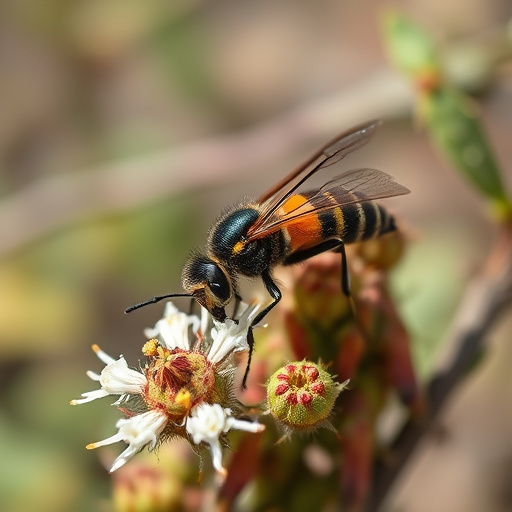
Tucson’s unique ecological environment plays a pivotal role in shaping its approach to pest control. The city’s diverse landscape, ranging from arid desert to lush green spaces, supports a rich variety of pests and beneficial insects. Understanding this intricate ecosystem is key to implementing effective yet natural pest control methods for local gardens and landscapes.
One of the primary steps in this process involves identifying both friend and foe among the insect population. For instance, while cockroaches may be considered pests, they serve as a food source for certain bird species and spiders, which are natural predators. By recognizing these relationships, Tucson residents can employ strategies that disrupt pest populations without resorting to harsh chemicals. This approach aligns with the city’s commitment to sustainable practices, as data suggests that integrated pest management (IPM) methods can reduce chemical usage by up to 50% while maintaining effective pest control.
Natural pest control services in Tucson leverage the power of beneficial insects like ladybugs and lacewings, which feed on aphids and other pests. Additionally, using organic pesticides derived from natural ingredients such as neem oil or garlic can provide targeted control without harming non-target species. Local gardening groups and cooperative extensions offer valuable resources, sharing knowledge on identifying pests, selecting appropriate control methods, and promoting ecological balance in Tucson’s unique setting.
Identifying Friendly Garden Insects for Control
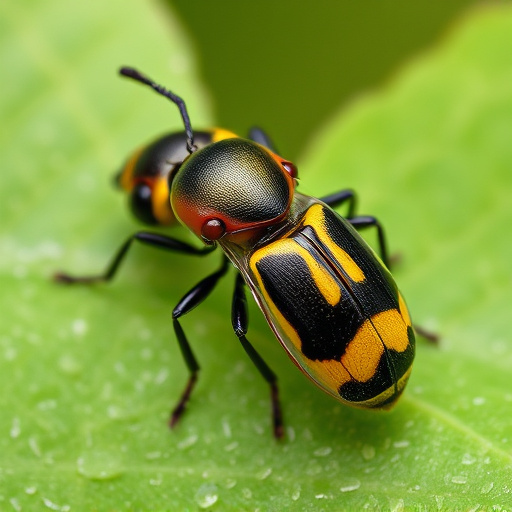
In the pursuit of sustainable gardening practices, Tucson residents can effectively manage pests by harnessing the power of beneficial insects. These natural allies play a crucial role in maintaining ecological balance within local gardens and landscapes. Understanding which insects are friends rather than foes is an essential step in transitioning to more eco-friendly pest control methods.
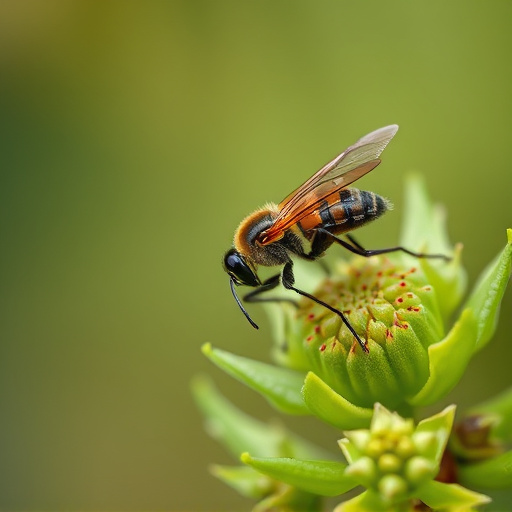
Tucson’s diverse climate supports a wide array of beneficial insects, each contributing uniquely to garden health. For instance, ladybugs are renowned for their voracious appetite for aphids, making them excellent predators. Similarly, lacewings and spiders also target aphids and other small pests. Furthermore, certain bees and wasps are natural parasites, laying eggs on or within the bodies of pest insects, thereby breaking their life cycles. Identifying and encouraging these friendly species can significantly reduce reliance on traditional pest control services Tucson residents often turn to.
Practical strategies for promoting beneficial insects include planting diverse native flowers and herbs that cater to their needs. Gardeners should consider introducing or fostering habitats like wildflower meadows, hedgerows, and leaf litter zones, which provide shelter and food sources. Maintaining a balanced ecosystem through organic gardening practices ensures these friendly insects thrive, naturally controlling garden pests. By understanding the role of beneficial insects in Tucson’s unique landscape, gardeners can contribute to a more sustainable and harmonious environment.
Organic Solutions for Common Garden Pests
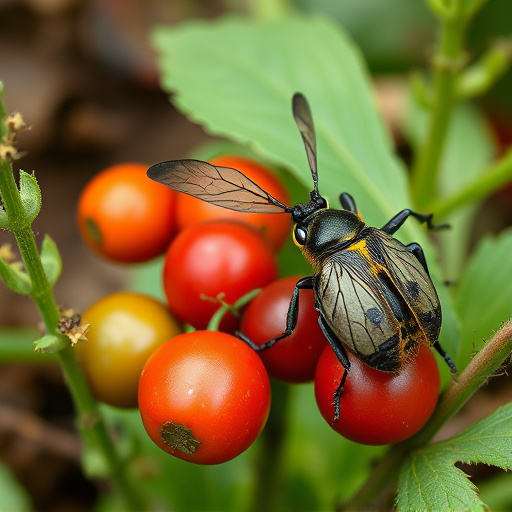
In the pursuit of a sustainable and eco-friendly approach to garden care, Tucson residents are increasingly turning to organic solutions for common garden pests. Unlike traditional pest control methods that rely heavily on synthetic chemicals, natural alternatives offer a safer, more harmonious way to maintain vibrant landscapes. Organic pest control services in Tucson not only protect local ecosystems but also provide long-lasting results, making them a preferred choice for conscious gardeners.
One of the most prevalent organic solutions involves the introduction of beneficial insects like ladybugs and lacewings. These natural predators feast on aphids, mealybugs, and other pests that often infest gardens. For instance, a study conducted by the University of Arizona revealed that releasing ladybugs in home gardens can reduce aphid populations by up to 50% within weeks. Additionally, neem oil, derived from the neem tree, acts as a powerful insecticidal soap, deterring a wide range of pests without harming beneficial insects or plants.
Planting companion plants is another effective organic pest control strategy. Certain herbs and flowers naturally repel common garden pests. Marigolds, for example, are known to ward off nematodes, aphids, and other soft-bodied insects. Mint and basil can deter mosquitoes and flies, while lavender repels a variety of pests, including ticks and moths. Integrating these companion plants into Tucson’s diverse landscaping not only enhances the beauty of gardens but also creates a natural barrier against pests, significantly reducing the need for chemical interventions.
Implementing Effective Natural Pest Control Practices

Implementing effective natural pest control practices in Tucson gardens and landscaping is a holistic approach that leverages the region’s diverse ecosystem to manage pests without harmful chemicals. This method not only protects local wildlife and soil health but also ensures the longevity of your garden, maintaining its beauty and biodiversity. In Tucson, where the climate supports both robust plant life and a variety of insects, selecting the right natural pest control services is key.
For instance, introducing beneficial insects like ladybugs and lacewings can significantly reduce populations of aphids and other soft-bodied pests. These natural predators are particularly effective in controlling common garden pests such as spider mites, which have become resistant to many synthetic pesticides. Additionally, using neem oil, derived from the neem tree, offers a safe and organic alternative to insecticides, repelling various insects including ants, mosquitoes, and termites. In fact, studies show that natural pest control methods can reduce chemical use by up to 80%, benefiting both the environment and local ecosystems.
Planting companion plants is another powerful strategy. Certain plants naturally repel pests due to their strong scents or flavors. For example, marigolds are known to deter nematodes and aphids, while basil repels mosquitoes and flies. By strategically incorporating these plants into your Tucson landscape, you can create a natural barrier against common garden pests. Moreover, maintaining a balanced soil ecosystem through proper composting and organic fertilization strengthens plants’ resistance to diseases and insects, further reducing the need for chemical interventions.
Regular monitoring and early intervention are crucial in successful natural pest control. Regularly inspect your plants for signs of infestation, such as chewed leaves or webs, and take prompt action. Organic pest control services in Tucson can provide tailored guidance based on local conditions and specific pests. By combining these practices, Tucson residents and landscape professionals can achieve healthy, vibrant gardens without compromising the environment, ensuring a sustainable and harmonious outdoor space for years to come.
By understanding Tucson’s unique natural pest ecosystem and employing organic solutions, residents can effectively manage garden pests without harmful chemicals. Identifying beneficial insects and implementing natural control practices are key strategies for a sustainable approach to pest control services Tucson naturally. This article has equipped readers with valuable insights, empowering them to create healthy, vibrant gardens while preserving the balance of local ecosystems.