Tucson's diverse climate presents unique pest control challenges due to its mix of desert, urban, and suburban areas supporting a distinct ecosystem. Integrated Pest Management (IPM) offers a sustainable approach by minimizing synthetic chemical use through natural solutions, biological controls, and cultural practices. This holistic method effectively targets common pests like scorpions, cockroaches, and ants without harming local ecosystems. Implementing IPM involves inspection & sealing, prevention through sanitation and lifestyle adjustments, and biological control with natural predators or parasites. Regular monitoring reduces the need for chemical interventions by 30-50%. Selecting pest control services in Tucson should leverage local expertise for tailored, eco-friendly solutions integrating biological, cultural, physical, and chemical methods. This ensures year-round protection while preserving the region's natural landscape.
Tucson’s unique ecosystem presents specific challenges when it comes to pest control, demanding integrated strategies that balance environmental health with effective management. Pests can disrupt the delicate balance of local flora and fauna, posing risks not just to agricultural productivity but also to the region’s distinctive biodiversity. The conventional approach to pest control often falls short in addressing these complex issues, leading to a growing need for innovative solutions. This article delves into tailored integrated pest management strategies designed specifically for Tucson environments, highlighting practical methods that combine scientific expertise with ecological sensitivity. By exploring these advanced techniques, we aim to provide valuable insights into enhancing pest control services Tucson residents and agricultural practitioners can trust.
- Understanding Tucson's Unique Pest Challenges
- Natural Solutions: An Overview of Integrated Pest Management
- Implementing IPM: Step-by-Step Guide for Tucson Homes
- Local Expertise: Choosing Pest Control Services Tucson Offers
Understanding Tucson's Unique Pest Challenges
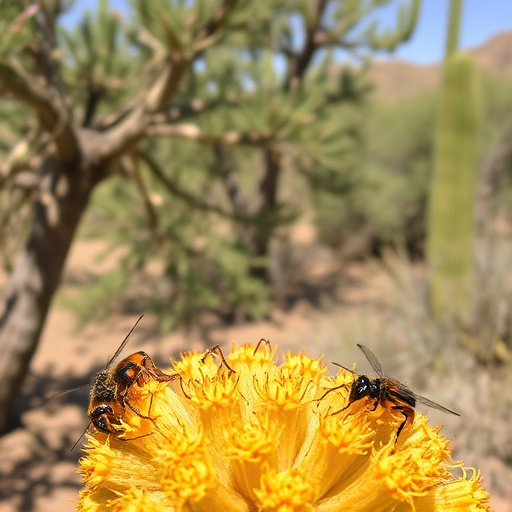
Tucson’s diverse and often arid climate presents unique challenges for pest control services. The region’s mix of desert, urban, and suburban areas supports a distinct ecosystem, with native pests like cockroaches, termites, ants, and various rodents thriving despite the harsh conditions. These pests are not only a nuisance but can also cause significant structural damage to homes and businesses, posing particular risks in older buildings with poor maintenance.
Temperature extremes and occasional rainfall patterns create a dynamic environment where pests adapt quickly. For instance, desert spiders and scorpions become more active during monsoon seasons, while termites escalate their feeding in the cooler, wetter months. This variability demands a flexible approach from pest control services Tucson residents rely on. Expert professionals must stay abreast of these seasonal shifts to provide effective and sustainable solutions.
Integrated Pest Management (IPM) is the key strategy for addressing Tucson’s complex pest challenges. IPM involves a combination of preventive measures, biological controls, and targeted interventions. By focusing on long-term sustainability rather than just quick fixes, IPM ensures minimal environmental impact while offering cost-effective pest control services. For instance, using beneficial insects to control populations of harmful pests reduces the need for chemical treatments, fostering a healthier ecological balance. This holistic approach is particularly vital in urban areas where pesticide resistance is a growing concern.
Natural Solutions: An Overview of Integrated Pest Management

In the arid landscapes of Tucson, Arizona, integrated pest management (IPM) offers a sustainable and environmentally conscious approach to dealing with pests. This strategy focuses on minimizing the use of synthetic chemicals by employing natural solutions, beneficial insects, and cultural practices. By adopting IPM, residents and businesses can effectively control pests while preserving the region’s unique ecosystem. For instance, in Tucson, where urban areas meet vast desert regions, IPM techniques have shown significant success in managing common pests like scorpions, cockroaches, and ants without causing harm to local flora and fauna.
One of the key components of natural solutions in IPM is biological control, which involves introducing or enhancing natural predators, parasites, or diseases to manage pest populations. In Tucson, this could mean releasing beneficial insects such as ladybugs to feed on aphids or using nematodes to combat grub infestations in lawns. For example, a study conducted by the University of Arizona found that introducing certain species of parasitic wasps can effectively control populations of whiteflies, common pests in warm climates like Tucson. Additionally, organic pesticides derived from natural sources, such as neem oil and diatomaceous earth, offer effective alternatives to synthetic chemicals, providing pest control services Tucson naturally.
Cultural practices play another vital role in IPM. This includes proper landscaping, sanitation, and water management techniques that disrupt pest breeding cycles and reduce their overall numbers. In Tucson, where water conservation is essential, implementing xeriscaping principles—such as using native plants and creating dry creek beds—not only reduces the need for extensive irrigation but also makes landscapes less attractive to pests seeking moisture. Regular monitoring and early detection are also crucial; identifying pests at low populations prevents the need for intensive chemical interventions. By combining these natural solutions with effective cultural practices, Tucson residents can achieve lasting pest management while preserving the city’s distinct ecological character.
Implementing IPM: Step-by-Step Guide for Tucson Homes

Implementing Integrated Pest Management (IPM) in Tucson homes involves a multi-faceted approach designed to minimize reliance on synthetic chemicals while effectively controlling pests. The first step is conducting a thorough inspection, identifying potential entry points and existing pest activity. Homeowners should carefully examine their property, looking for signs of common Tucson pests like ants, termites, roaches, and spiders. Once identified, these areas need to be sealed off using caulk or other appropriate materials to prevent further infestation.
The second step focuses on prevention through sanitation and lifestyle adjustments. Regularly cleaning the home, particularly kitchen and dining areas, eliminates food sources that attract pests. Storing food in airtight containers, wiping down countertops after meals, and promptly disposing of garbage are essential practices. Additionally, maintaining a buffer zone around the house by trimming vegetation, clearing debris, and removing potential water sources can significantly deter pest activity.
The third phase involves utilizing biological control methods, such as introducing natural predators or parasites specific to the target pest species. For instance, beneficial insects like ladybugs and lacewings are effective in controlling aphids and other soft-bodied pests. Homeowners can also plant pest-repellent plants like marigolds and lavender that naturally deter various insects. In cases where pests have already infested the property, professional pest control services Tucson residents rely on can employ targeted, low-impact treatments while adhering to IPM principles.
Regular monitoring is crucial for successful long-term IPM implementation. Setting up traps and conducting periodic inspections allow homeowners to track pest activity and adjust their strategies accordingly. Data from the University of Arizona’s Cooperative Extension indicates that IPM approaches can reduce the need for chemical interventions by 30-50%, contributing to a healthier environment and safer homes in Tucson.
Local Expertise: Choosing Pest Control Services Tucson Offers

When selecting pest control services in Tucson, it’s crucial to leverage local expertise for effective integrated pest management (IPM). Understanding the unique ecosystem and pests specific to this region is key to choosing a service that aligns with your needs. Tucson’s climate, characterized by hot summers and mild winters, supports diverse insect populations, from ants and cockroaches to termites and mosquitos. Moreover, the area’s abundant plant life, including native cacti and desert shrubs, requires tailored solutions that minimize environmental impact while achieving robust pest control.
Local expertise in pest control services Tucson offers is invaluable for several reasons. First, local companies are attuned to the region’s specific pests and seasonal variations. They employ professionals who understand the behavior and habitat of common pests, enabling them to design targeted treatments. For instance, a company specializing in Tucson’s unique challenges might focus on eco-friendly methods for ant control, utilizing natural repellents and baits rather than harsh chemicals. Second, local firms often have established relationships with community gardens, farmers, and homeowners, allowing them to share knowledge and best practices that promote sustainable IPM.
In selecting pest control services Tucson residents should consider companies that offer holistic approaches, integrating biological, cultural, physical, and chemical methods. Look for providers who employ locally sourced, eco-friendly products whenever possible, reducing the environmental footprint. Additionally, inquire about ongoing monitoring programs to detect early signs of pest infestations, enabling prompt, targeted interventions. For instance, a reputable service might include regular inspections, seasonal treatment plans, and 24/7 emergency response, ensuring peace of mind year-round. By prioritizing local expertise and sustainable practices, Tucson residents can effectively manage pests while preserving the region’s distinctive natural landscape.
By integrating natural solutions and adopting a step-by-step approach, Tucson residents can effectively navigate their unique pest challenges. This article has provided an authoritative guide to IPM strategies tailored for the local environment, empowering folks to make informed decisions regarding pest control services Tucson naturally offers. Key insights include understanding city-specific pest dynamics, leveraging natural remedies, and selecting reputable local experts. Moving forward, implementing these integrated management techniques not only enhances environmental sustainability but also fosters a harmonious co-existence with pests, ensuring a healthier and more balanced Tucson ecosystem.